Air Education
Knowledge is Power
Air Education is your quick guide to indoor air quality (IAQ) for homes and busy spaces. Learn what’s in your air—VOCs, allergens, smoke, and fine dust—and why levels often rise indoors. First, reduce sources; then improve ventilation; finally, filter what remains. Our 7-Stage Filtration explains how HEPA captures fine particles while activated carbon reduces odors and VOCs, with UV-C/PCO and ionization for added protection. You’ll also find simple placement tips, filter-care routines, and real-world results, so you can improve indoor air quality and protect your family—every day.

Air Education
You are likely fully aware of the importance of drinking clean water. The average person drinks approximately 1 gallon of water per day (8 glasses). However most people don’t realize the importance of breathing clean air and how it affects our health both short and long term. The average person breathes the equivalent of 2000 – 3000 gallons of air per day. Learn how our 7-Stage Filtration works and why multi-stage matters
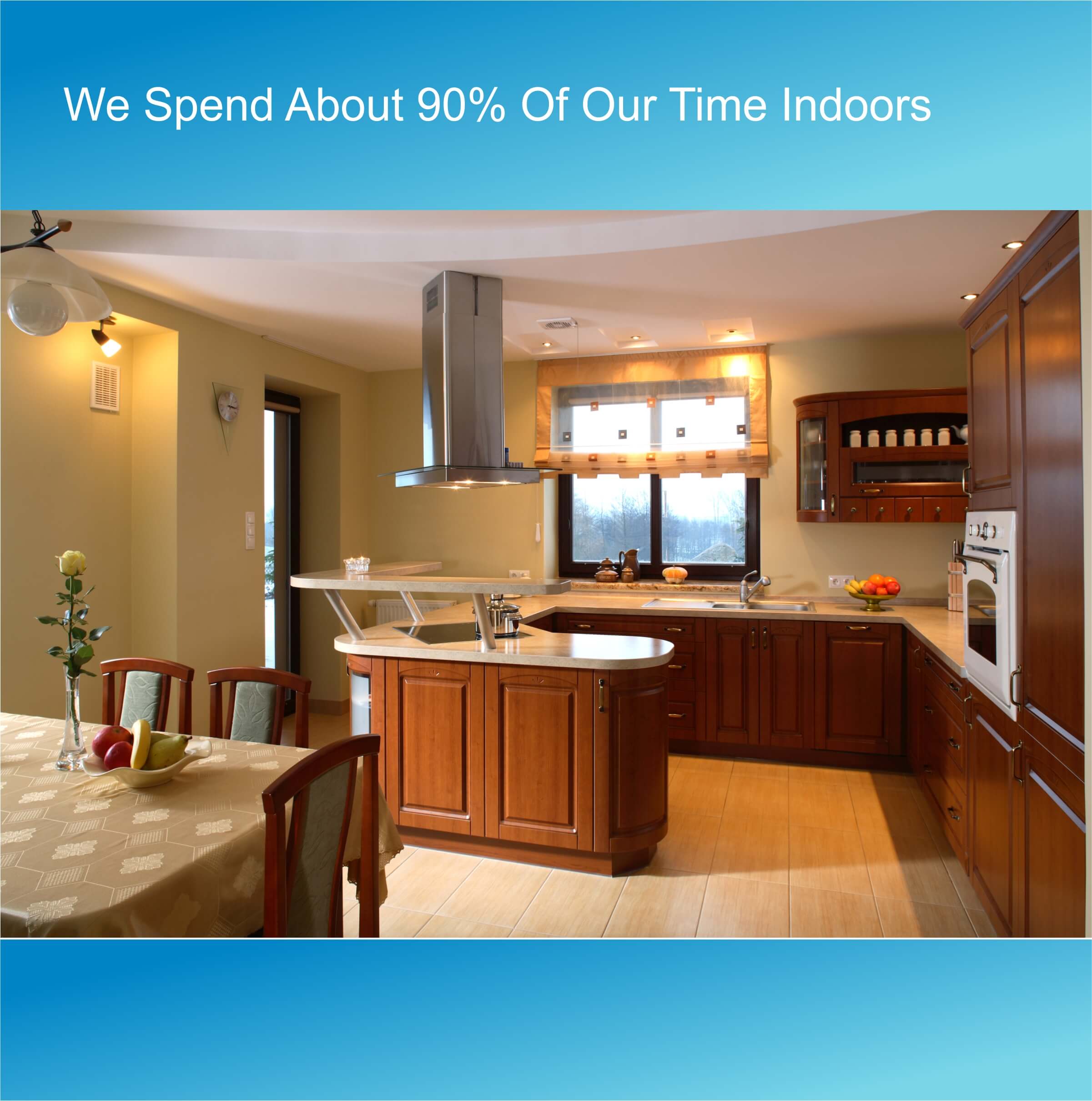
We Spend Most Of Our Time Indoors
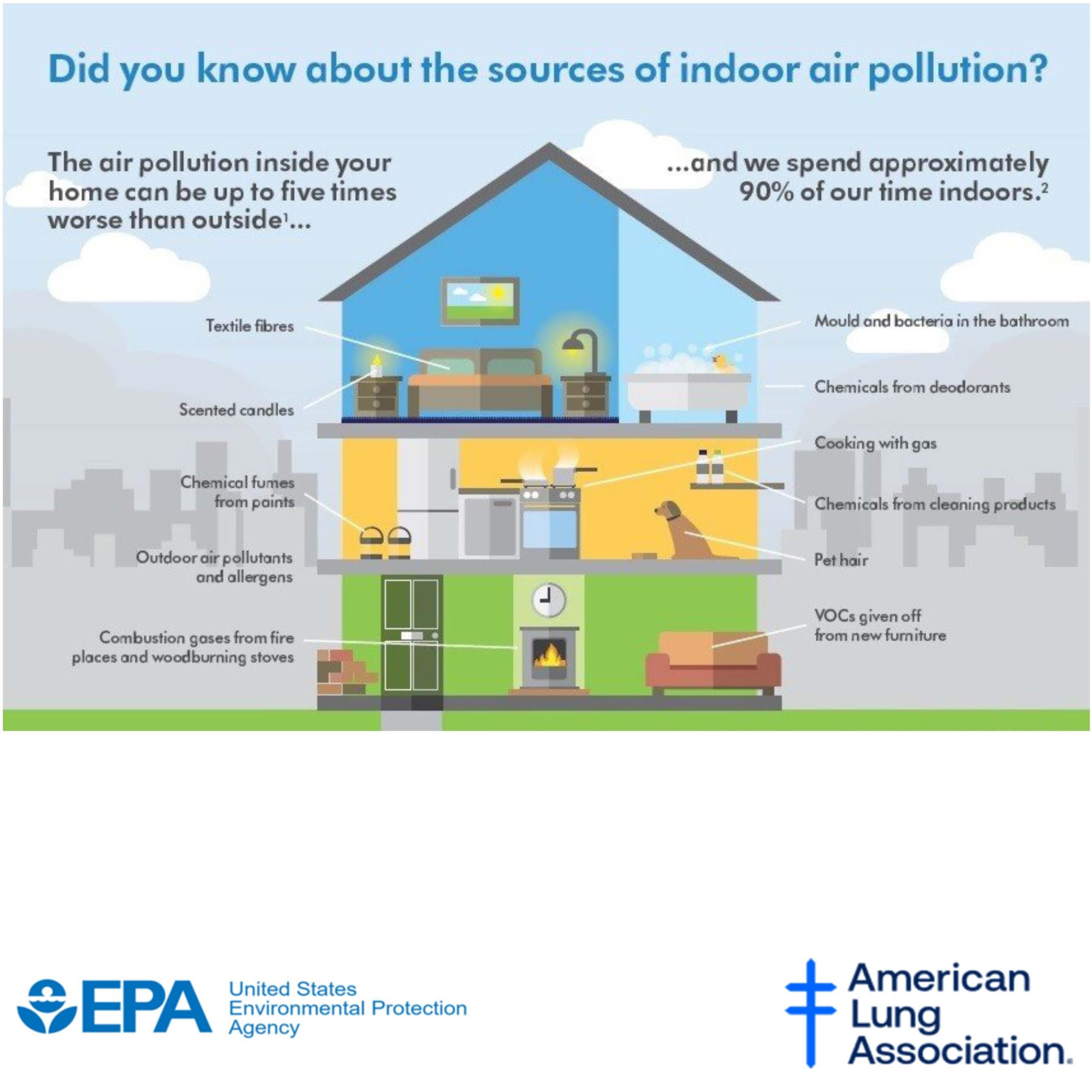
According to the EPA and American Lung Association, the average American spends close to 90% of their life indoors; at home, at work, in vehicles and in recreational environments.
However, most people are unaware of the effects that poor indoor air quality can have on their day to day and long-term health.” If your building shows symptoms like headaches or fatigue, read about Sick Building Syndrome.
The Air In Our Homes Is Much More Polluted…
According to the American Lung Association the air inside the average North American home is 2 –5 times more polluted than outdoor air; in a non-smoking home. & Up to 10 times more polluted than outdoor air in a home where smoking occurs.
Chemicals In Our Homes
Chemicals In Our Homes/What’s in Your Air
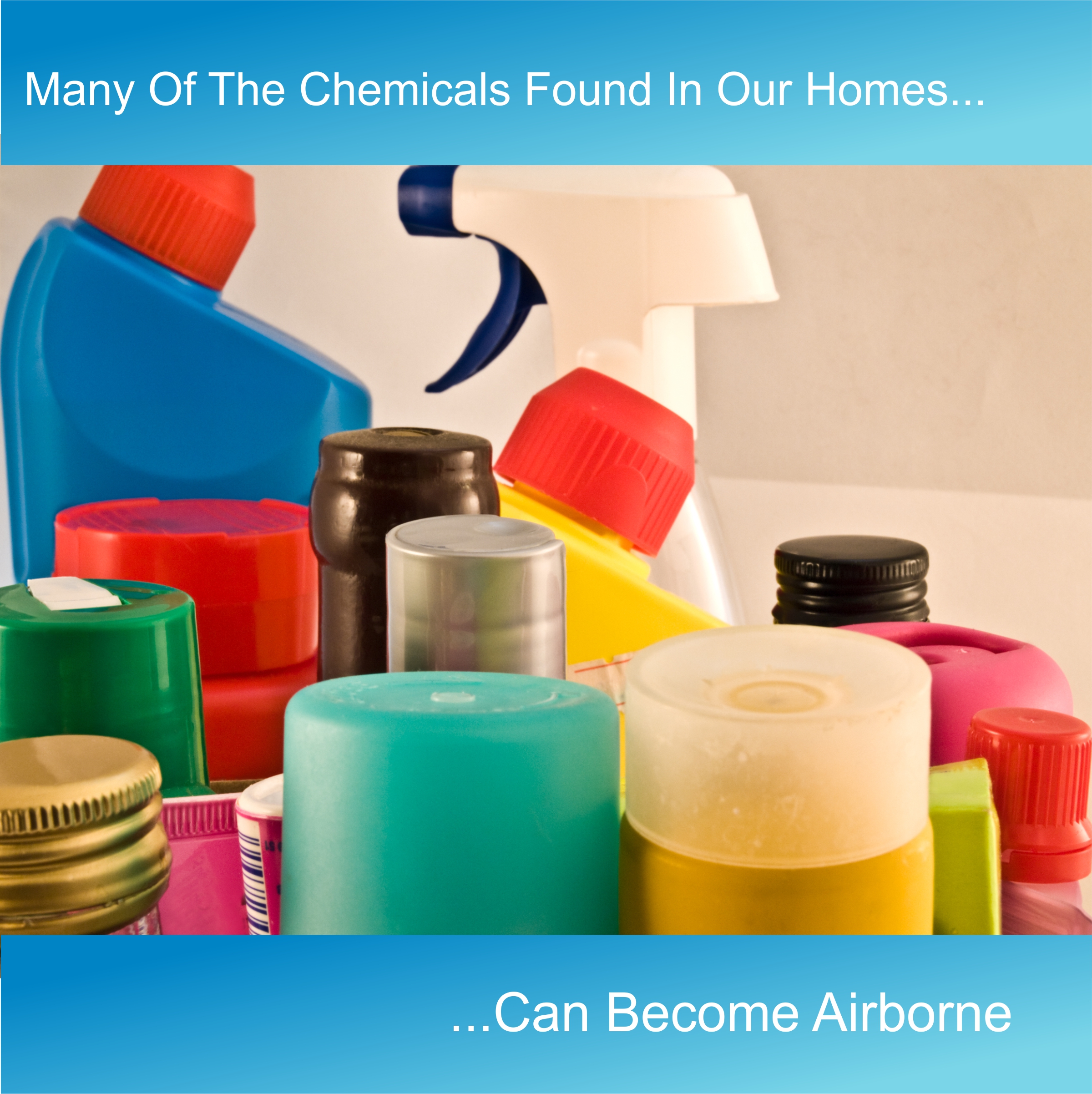
Everyday products—cleaners, fragrances, paints, pressed-wood furniture, even cooking—release volatile organic compounds (VOCs) and other chemicals that can build up indoors. Studies show several organics average 2–5× higher inside than outdoors and can spike during activities like painting; children, seniors, and people with asthma feel the impact sooner. Start with source control and ventilation, then use layered protection with our 7-Stage Filtration: pre-filters and HEPA for fine particles, activated carbon for odors/VOCs, plus advanced stages for microbes and ultra-fines. For context, the U.S. TSCA Inventory lists tens of thousands of chemicals in commerce—another reason to reduce exposure and filter what remains. See Manuals and Instructional Videos for care and placement.

Why Filtration Matters When Testing Falls Short
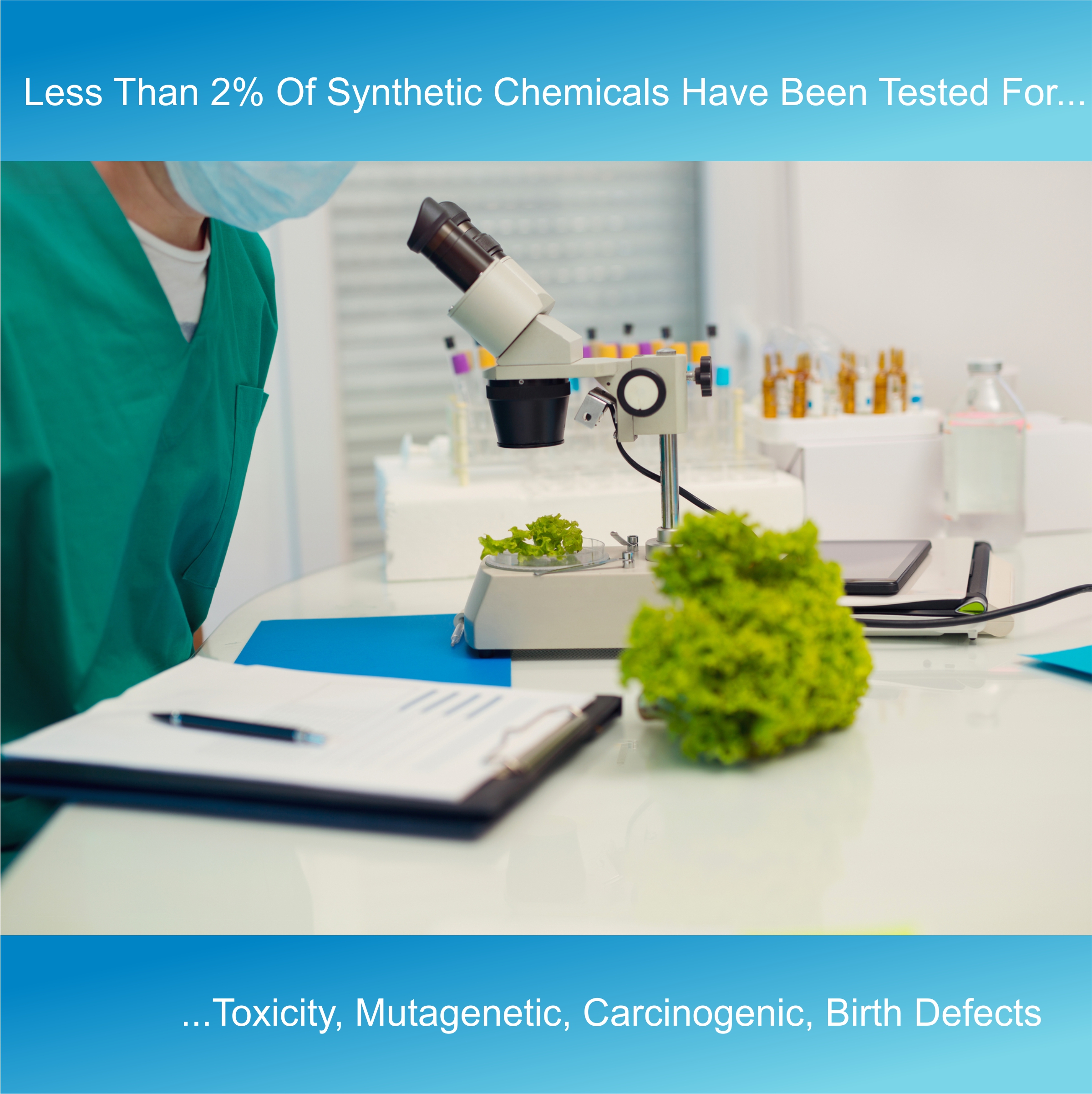
Tens of thousands of synthetic chemicals circulate in modern products and indoor spaces, yet only a fraction have undergone full, government risk evaluations. In the U.S., the TSCA Inventory lists ~86,800+ chemicals (about half active in commerce). Oversight has improved since 2016, but federal watchdogs still note slow progress on reviews. In Canada, the Chemicals Management Plan triaged ~23,000 substances and prioritized ~4,300 for assessment—95% of those priorities have now been addressed. What does this mean at home? Reduce sources (choose low/zero-VOC products), ventilate when possible, and use 7-Stage Filtration to capture particles and VOCs that remain.
Airborne Household Chemicals
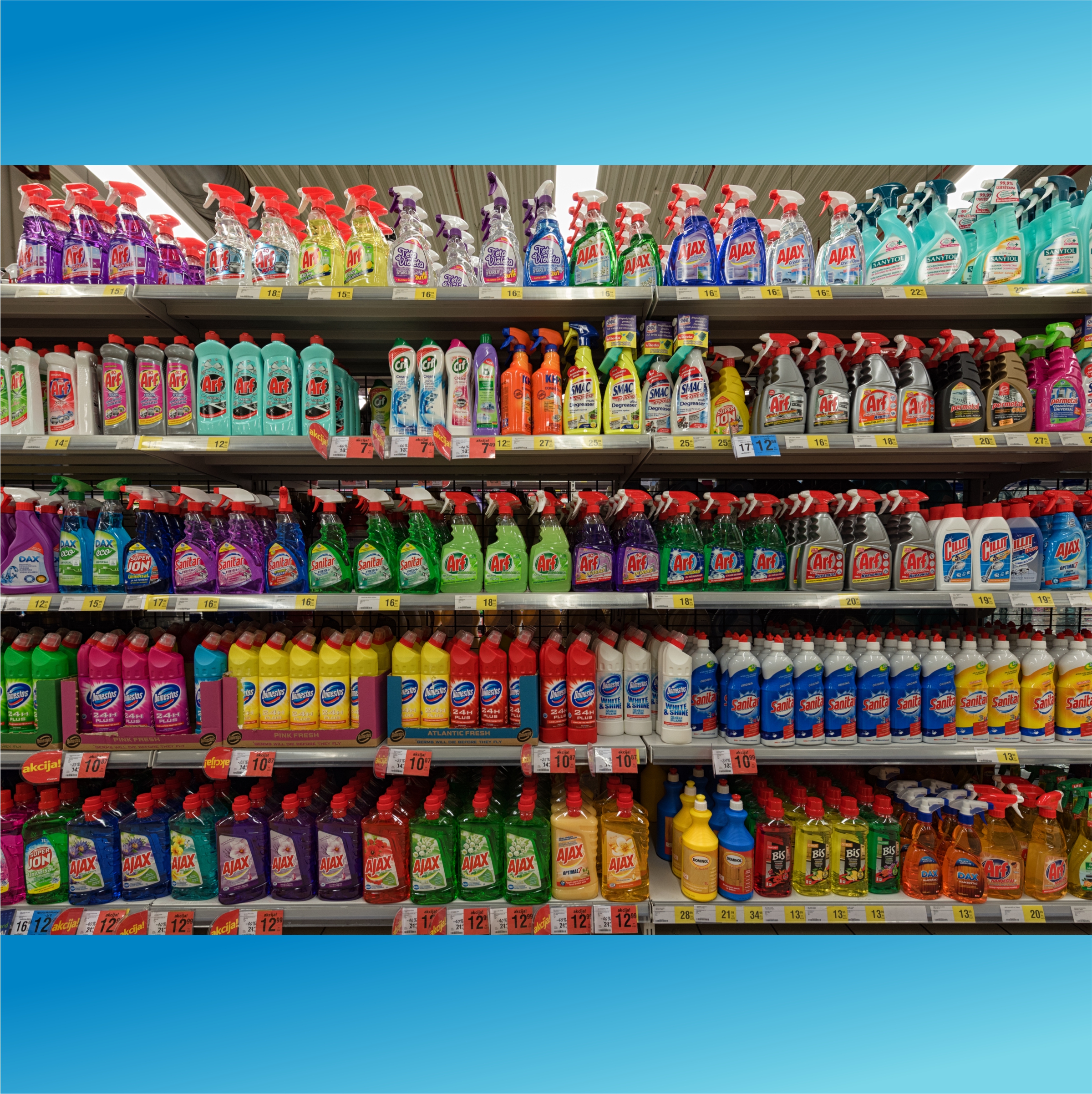
Everyday products—cleaners, fragrances, paints, pressed-wood furniture, even cooking—release chemicals that become airborne indoors. EPA’s TEAM studies found common organic pollutants are typically 2–5× higher inside homes than outdoors; during product use, levels can spike and remain elevated long after. So use a simple plan: first reduce sources (choose low/zero-VOC products, store solvents safely), next ventilate during and after use, and finally filter what remains. Multi-stage systems pair HEPA for fine particles with activated carbon for gases and odors, covering what ventilation alone can’t and helping protect kids, seniors, and sensitive lungs.
150 Reasons Clean Indoor Air Matters
Indoor air holds more than dust; everyday cleaners, fragrances, paints, cooking fumes, and smoke can add up to 150 household chemicals linked to allergies, birth defects, certain cancers, and psychological effects. First, cut exposure at the source (choose low/zero-VOC products, store solvents safely, no indoor smoking). Next, improve ventilation (range hoods, bath fans, brief fresh-air breaks when conditions allow). Then, add layered protection: our 7-Stage Filtration uses pre-filters and HEPA for fine particles, activated carbon for VOCs/odors, plus UV-C/PCO and ionization for microbes and ultra-fines. Finally, maintain simple filter care. Consequently, your family—kids, seniors, and pets—breathes cleaner air every day.