Air Purification Technology: How Our 7-Stage System Works
Air Purification Technology: How Our 7-Stage System Works
The right air purification technology solves real-world indoor air problems—not just dust. Platinum Z Systems uses a 7-stage air purifier approach that targets particles, gases/odours, and bio-aerosols together. In plain terms, we combine HEPA air filtration for fine particles with activated carbon for VOCs/odours and advanced stages for microbes. The result is cleaner air you can feel, backed by proven principles and right-sized to each room. — EPA; Health Canada US EPA+2US EPA+2
(Add internal links once per section: 7-Stage Filtration , Air Education
Why multi-stage matters (particles, gases, microbes—all at once)
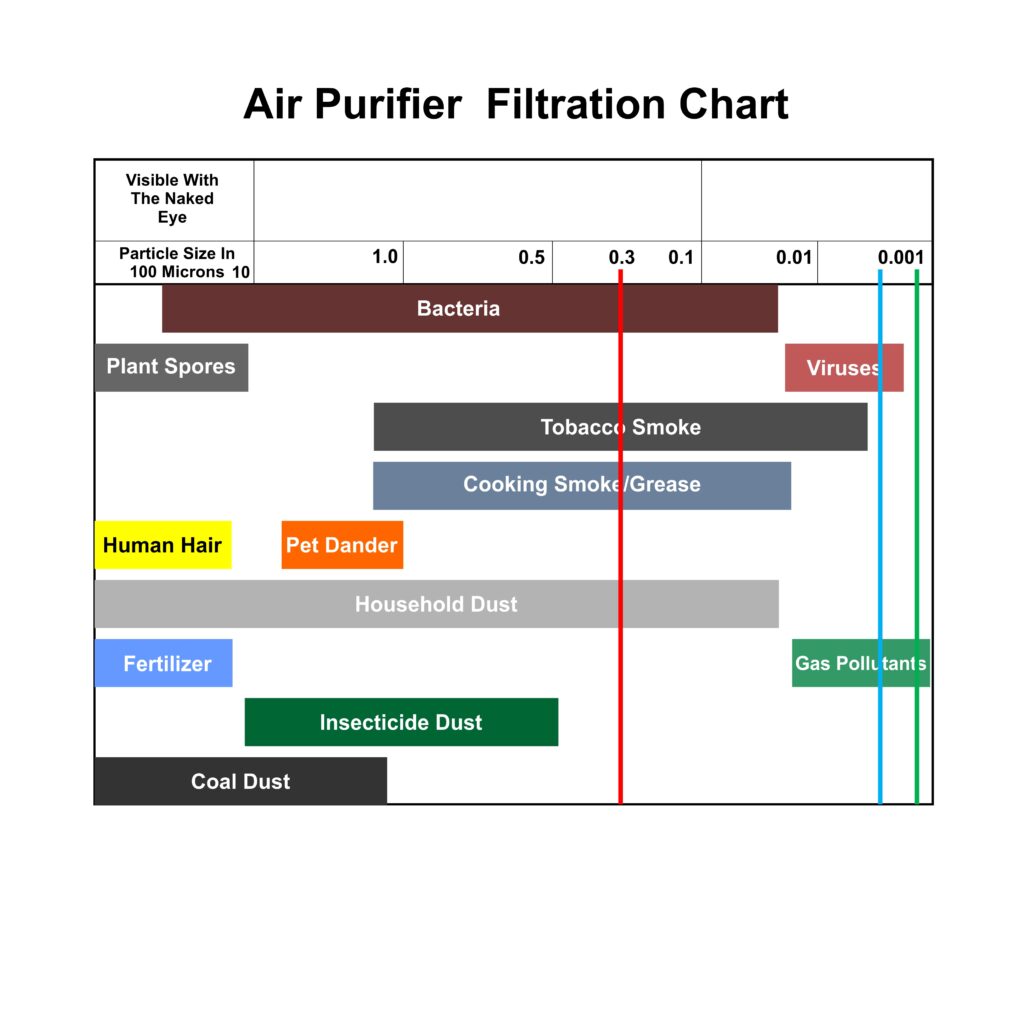
Indoor air isn’t just “dust.” It’s a mix of fine particles (smoke, pollen, dander), gases/VOCs (from cleaners, furniture, paint), and bio-aerosols (microbe-carrying droplets). A multi-stage air purification system addresses each class with the right tool, rather than asking one filter to do everything. — EPA Guide to Air Cleaners; CDC/NIOSH ventilation context US EPA+1
STAGE 1: Pre-filter (capture the big stuff)
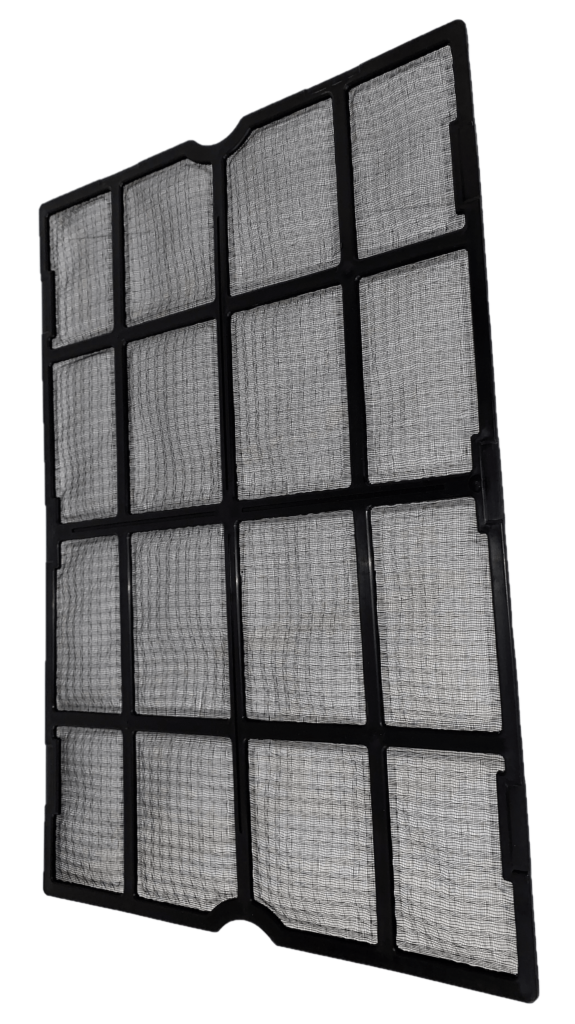
A washable pre-filter stops hair, lint, and coarse dust before they load the finer media. That keeps airflow strong and extends the life of the next stages. Clean it every 30–60 days, or more often during shedding season or renovations.
(Optional internal link after sentence 1: Instructional Videos → /instructional-videos/.)
STAGE 2: HEPA FILTER
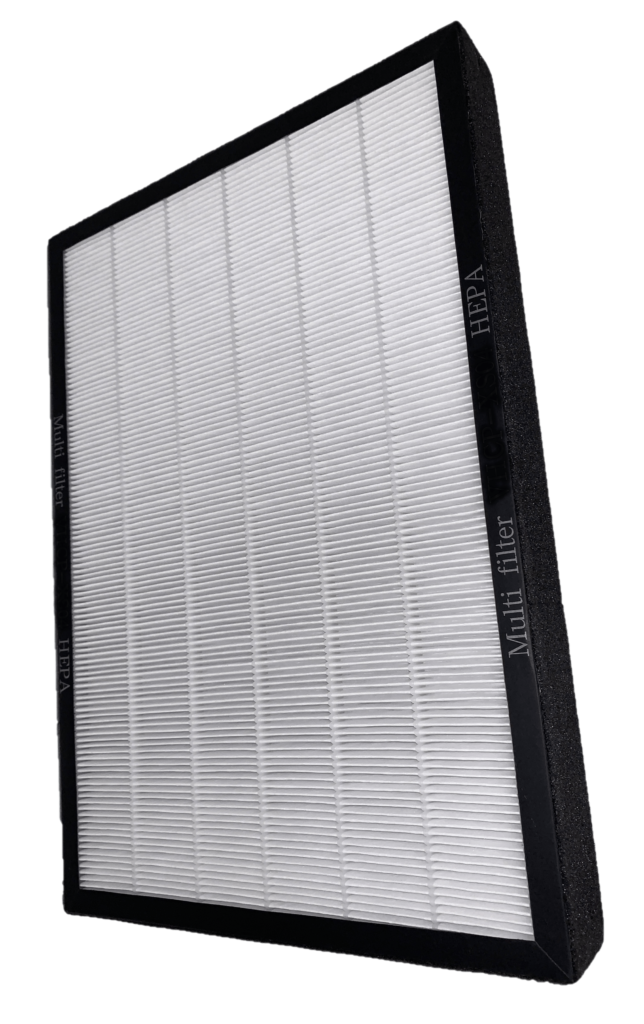
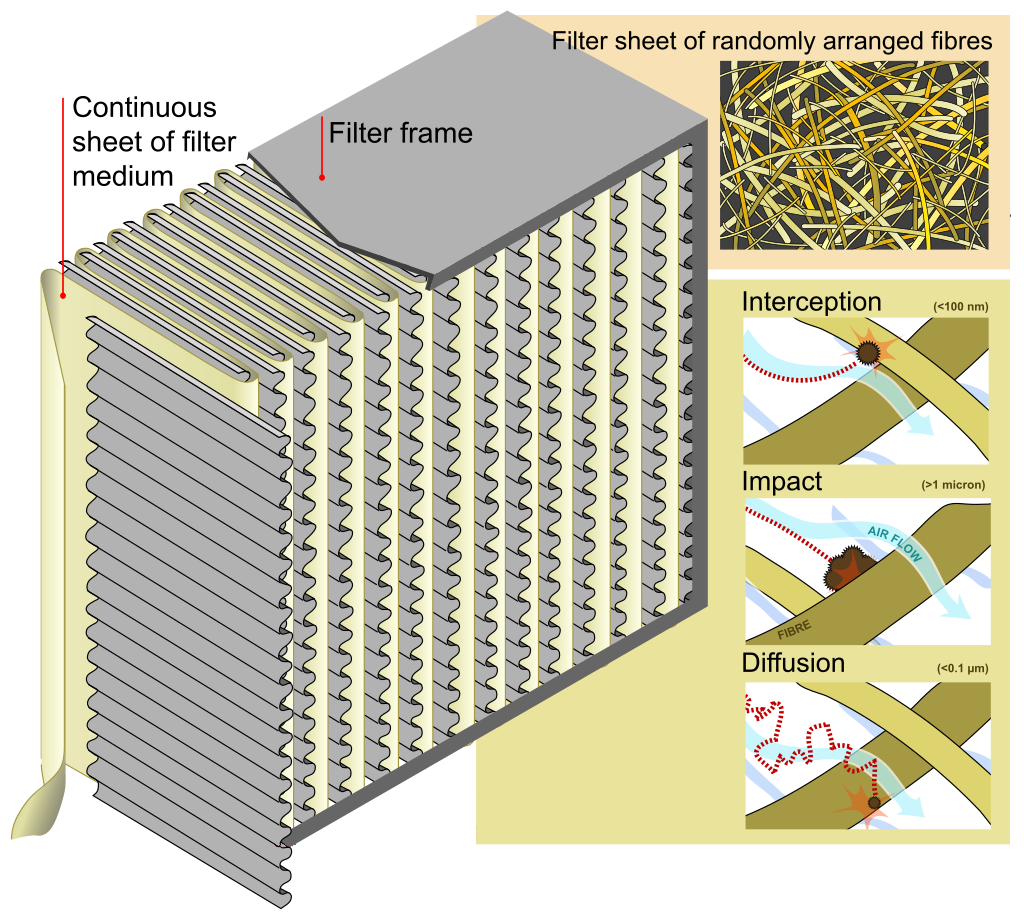
HEPA is a mechanical filter that traps particles through diffusion, interception, and impaction—so it performs especially well on the tiny particles people worry about (including smoke and many bio-aerosols). True HEPA + steady airflow = consistent removal of dust, pollen, dander, and fine smoke. — EPA (mechanical filters/HEPA) US EPA
Source: EPA – Guide to Air Cleaners in the Home (mechanical/HEPA overview). US EPA
STAGE 3: Activated carbon (VOCs & odours)
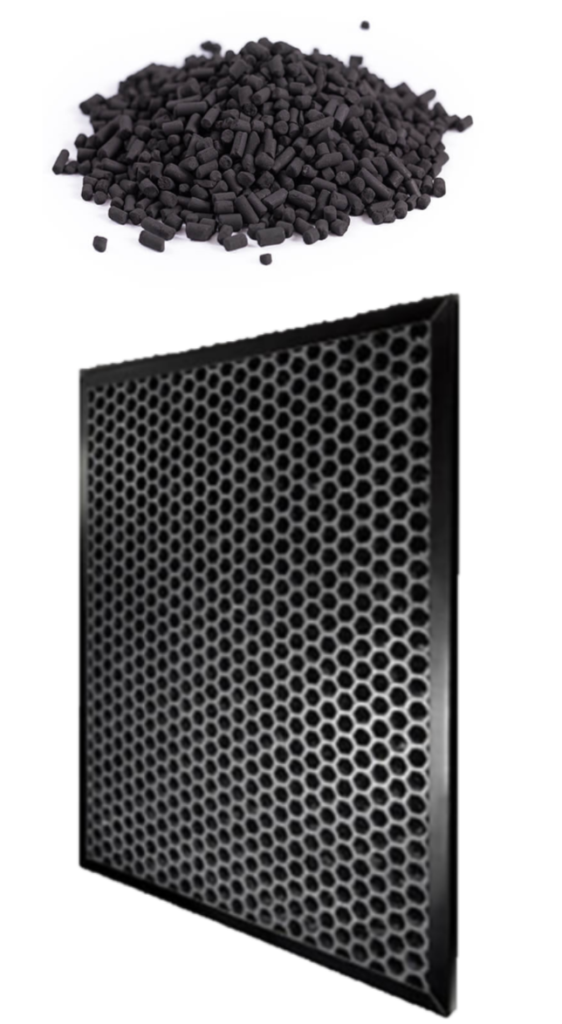
Particles aren’t the whole story. Many complaints come from gases/odours (VOCs) off-gassed by finishes, furniture, and cleaners. Activated carbon solves that by adsorption—VOCs stick to a huge internal surface area inside each pellet. Pelletized carbon packs more adsorbent mass and pore access than thin meshes, which boosts capacity and service life. — EPA (gas-phase filtration with sorbents) US EPA
Source: EPA – Guide to Air Cleaners in the Home (gas-phase/sorbents). US EPA
STAGE 4: Advanced media additives (Zeolite/Vitamin-C option)
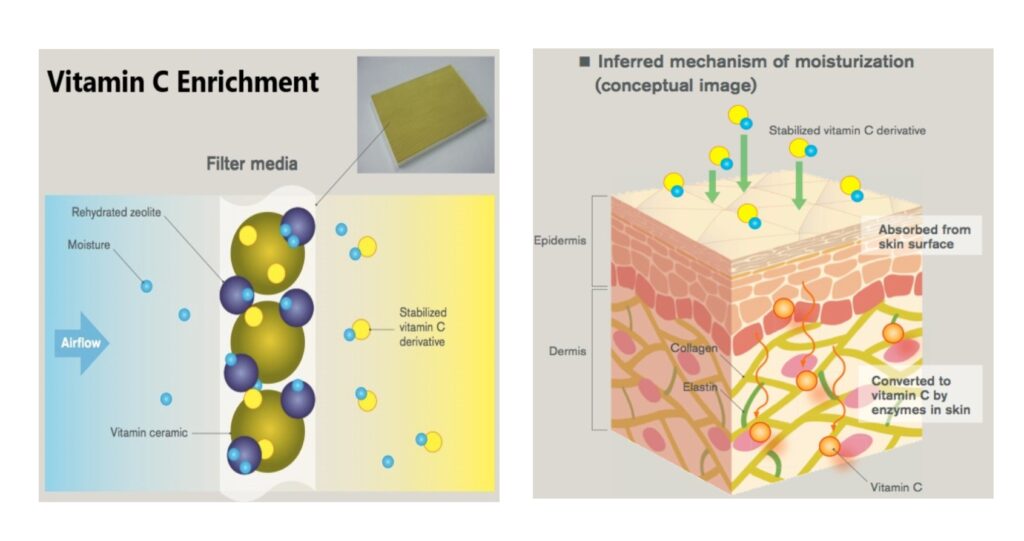
Some cartridges include zeolite (a porous mineral) to support VOC adsorption and moisture buffering. A vitamin-C additive is an optional comfort feature used by some manufacturers; it is not a substitute for filtration and we avoid therapeutic claims. Your primary air-quality gains still come from HEPA + activated carbon working together. (No external medical claims—kept factual and conservative.)
STAGE 5: PHOTOCATALYST FILTER (PCO)
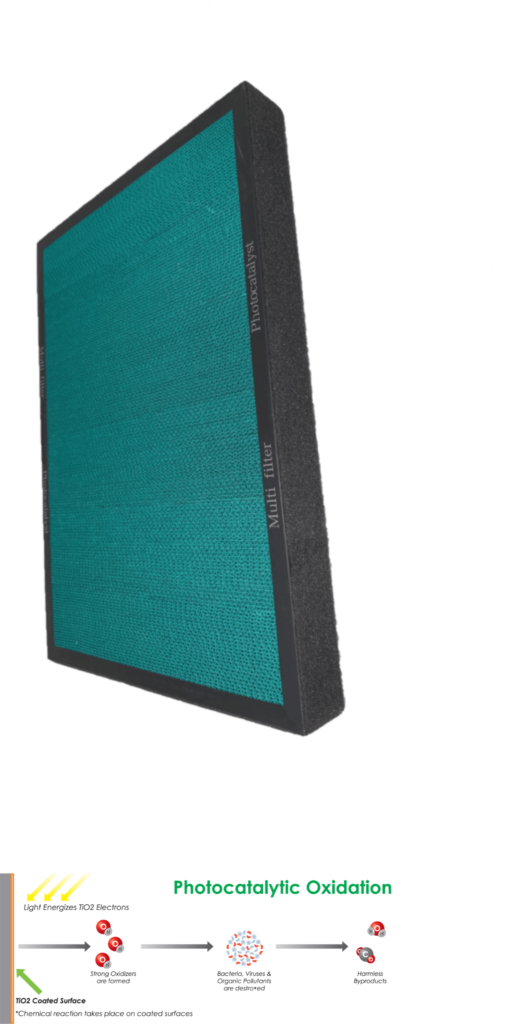
PCO uses UV light and a catalyst (often TiO₂) to oxidize certain gaseous pollutants. It can reduce some VOCs; however, research notes that incomplete oxidation can create byproducts if the design is poor. That’s why we treat PCO as a complementary stage and pair it with activated carbon downstream. — Peer-review summary; EPA general guidance on air cleaners ScienceDirect+1
Sources: ScienceDirect review (PCO byproducts) • EPA – air cleaner guidance. ScienceDirect+1
STAGE 6: UV-C germicidal light (microbial disinfection)
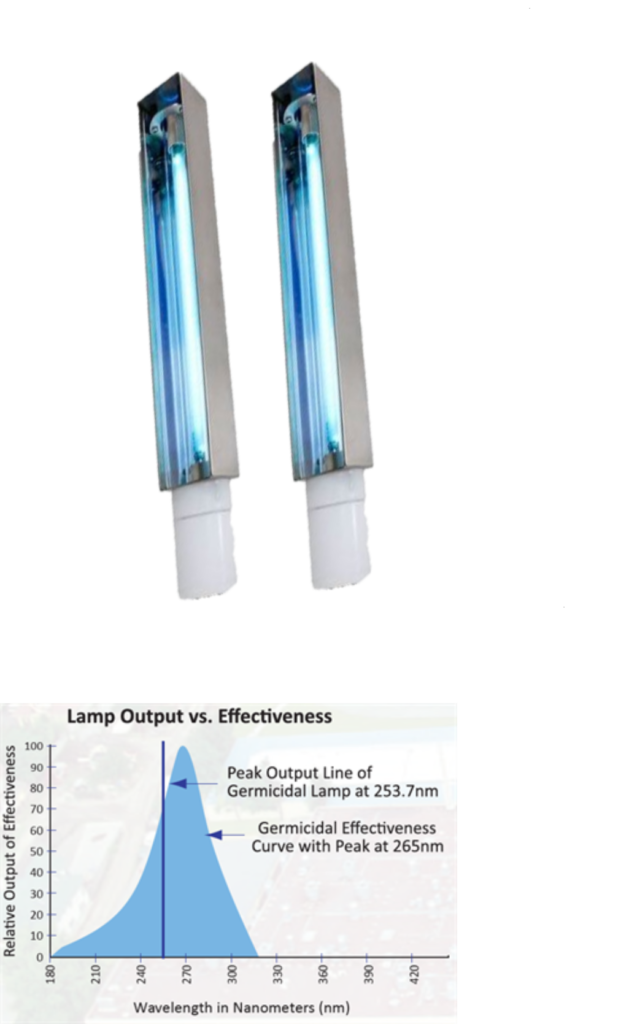
Germicidal UV (UV-C) in the ~254 nm range can inactivate airborne microbes by damaging nucleic acids. In room applications, UV-C must be enclosed or directed safely; in HVAC/upper-room use, qualified design prevents stray exposure. We integrate UV-C as a contained stage that complements filtration rather than replacing it. — CDC/NIOSH GUV overview; CDC Appendix B (HEPA/recirculation contexts) CDC+1
Sources: CDC/NIOSH – GUV • CDC – Infection Control Appendix B (HEPA). CDC+1
STAGE 7: Ionization (final polish—used within safety norms)
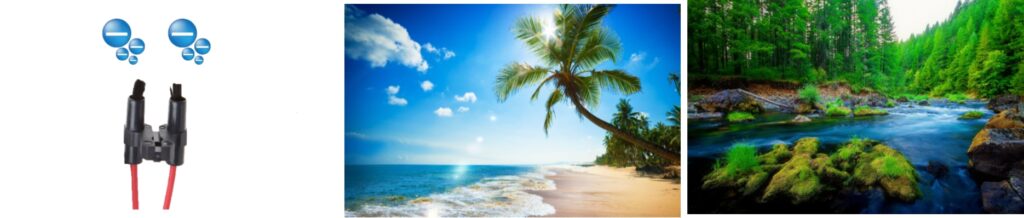
Negative ion generation can help fine particles clump so filters capture them more easily. Because some ionizers may produce ozone, we operate within recognized safety norms and recommend selecting devices that comply with UL 2998 (Zero Ozone) where applicable. — EPA ionization note; UL 2998 description US EPA+1
Sources: EPA – bipolar ionization/UL 2998 • UL – Zero Ozone Emissions Validation. US EPA+1