Breathe Easier at Home—Clean Air That Works Quietly in the Background
Air Purifiers For Homes
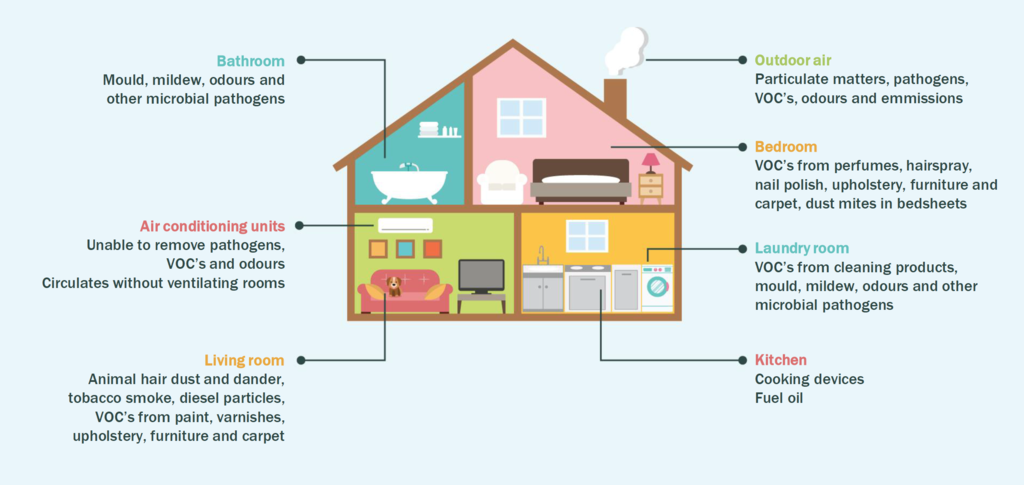
Home air purifiers from Platinum Z help reduce everyday indoor pollutants—fine particles, odours, and VOCs—so you can rest, recover, and wake up refreshed. Modern, energy-tight homes hold air in; that’s great for utility bills but it can trap pollutants from cooking, cleaning, hobbies, and attached garages. Start with 7-Stage Filtration to see how HEPA handles particles and activated carbon tackles gases/odours, then choose a model in Explore Our Products that fits bedrooms, nurseries, and open-plan living. For setup and care, visit Instructional Videos and Manuals, or Request a Home Demo for sizing and placement help. US EPA+1Government of Canada
Why Clean Air at Home Matters (Home Air Purifiers 101)
Your home should feel like a haven. Yet tightly built homes can trap indoor pollutants, especially when ventilation is limited. The practical plan is simple: reduce sources (choose low-emitting products), ventilate when you can, and filter what remains with a home HEPA air purifier that includes activated carbon for odours and VOCs. See the stages in 7-Stage Filtration and how placement/sizing work in How It Works. Government of CanadaUS EPA
What’s in Your Air? (Common Home Pollutants)
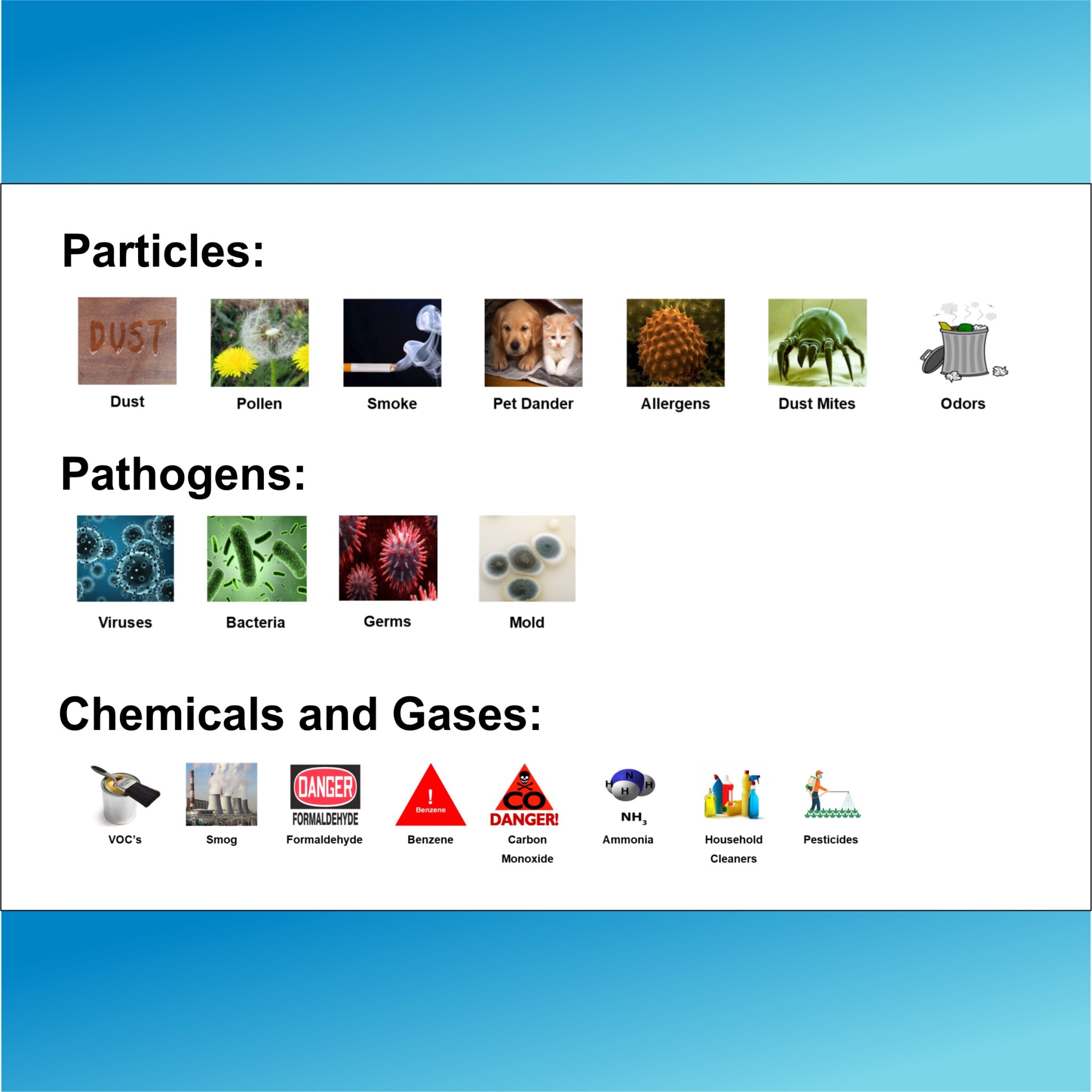
A typical home may contain a mix of VOCs (from paints, cleaners, furnishings), smoke and cooking particles, and biological triggers such as pollen, mould spores, pet dander, dust mites, and bacteria/viruses in shared air. HEPA captures fine particles; activated carbon helps with gases and odours. Learn the differences in Technology, then see models in Explore Our Products.
• Pollen • Mould spores • Pet dander • Dust mites • Dust • Smoke • Odours/VOCs
(Your bullet list can remain; I tightened the lead-in for readability.) Government of CanadaUS EPA+2US EPA+2

From Irritation to Long-Term Concerns (Why Filtration Helps)
Good to know: Studies show indoor levels of several pollutants often measure 2–5× higher than outdoors, and even higher right after activities like cooking or painting. That’s why bedrooms—and any room where you spend hours—benefit from steady, quiet filtration. Run your purifier continuously on low for comfort, then use higher briefly for faster clean-ups after cooking, cleaning, or guests. See Manuals for filter intervals and Instructional Videos for placement tips. US EPA+1
Good to know: Studies show indoor levels of several pollutants often measure 2–5× higher than outdoors, and even higher right after activities like cooking or painting. That’s why bedrooms—and any room where you spend hours—benefit from steady, quiet filtration. Run your purifier continuously on low for comfort, then use higher briefly for faster clean-ups after cooking, cleaning, or guests. See Manuals for filter intervals and Instructional Videos for placement tips. US EPA+1
Where a Home Air Purifier Helps Most (Room-by-Room)
-
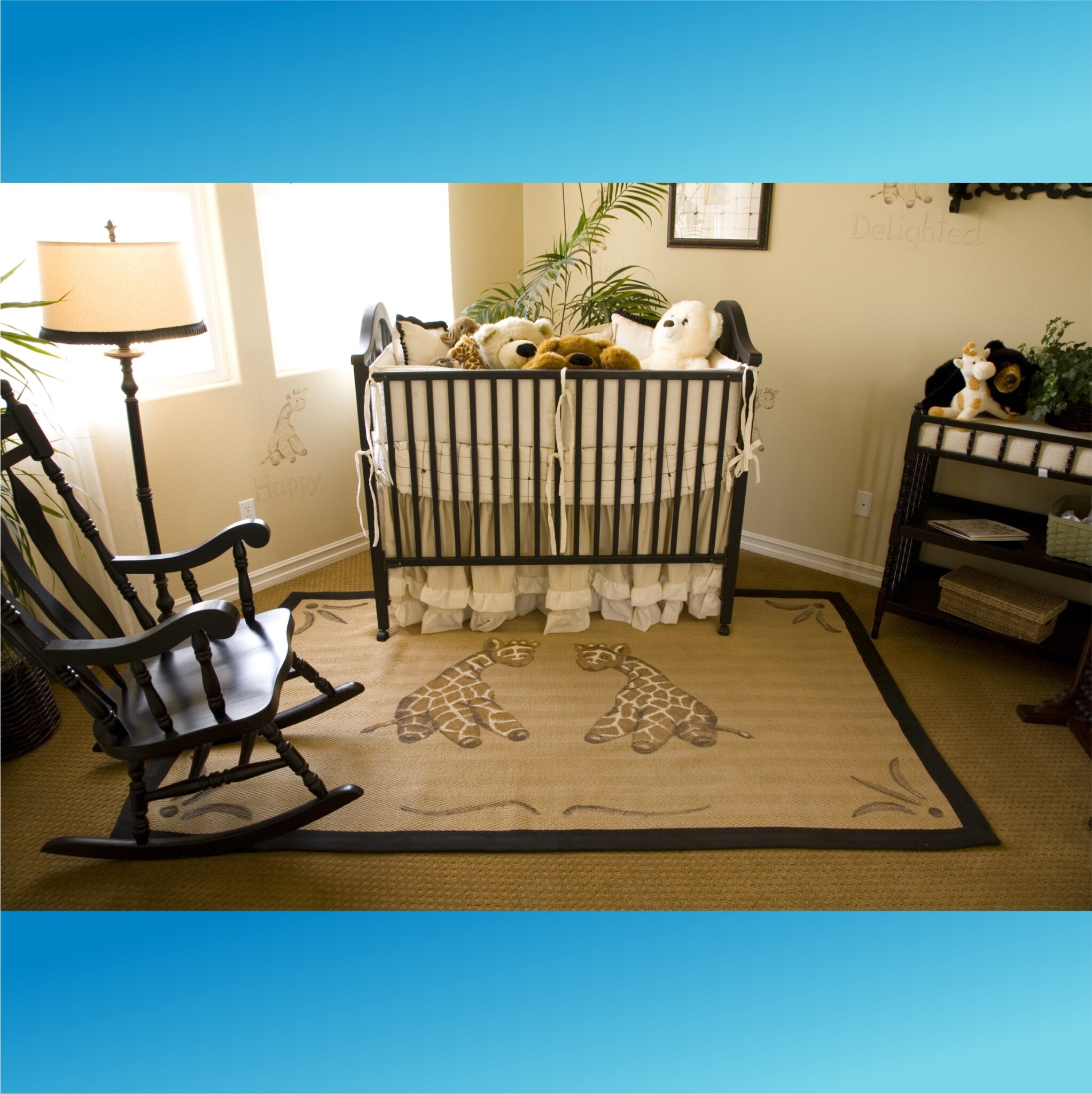
Baby’s Room (protect developing lungs): Quiet HEPA reduces fine particles; carbon helps with odours.
-
Home Workshop: Capture sanding dust and solvent odours; ventilate and filter.
-
Home Office: Electronics can emit ozone and VOC by-products—filter and ventilate. EPA NERLScienceDirect
-
Hobby/Craft Area: Reduce fumes from glues/solvents; keep humidity stable to discourage mould. US EPA
-
Bedroom Over an Attached Garage: Lower CO and fuel-related vapours by ventilating the garage and filtering indoors. Government of Canada+1
-
Family Room / High-Traffic Areas: Run low continuously; bump up after gatherings.
-
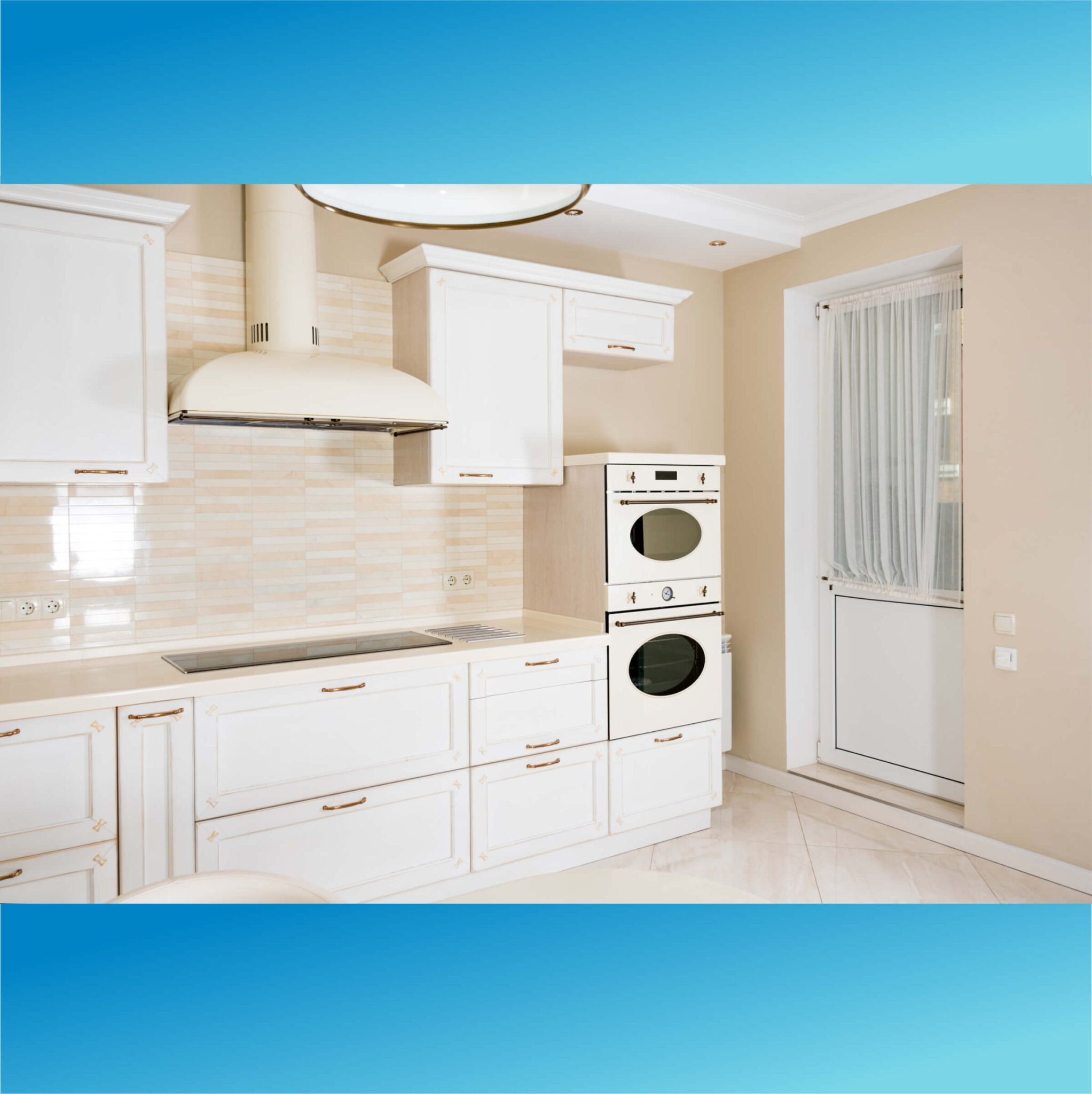
Kitchen & Adjacent Spaces: Cooking generates particles and gases—use your hood and keep filtration on. US EPA
For model fit and coverage, Explore Our Products or Request a Home Demo—we’ll size rooms and suggest quiet settings. US EPA
SOURCES OF INDOOR AIR POLLUTION